Damp, mould and condensation are common issues in homes across the UK, particularly during the colder months. Left untreated, they can damage property, affect indoor air quality and create an uncomfortable living environment for tenants. Fortunately, many cases can be prevented through a combination of good property maintenance and everyday habits.
Understanding the Difference
Although often grouped together, damp, mould and condensation are not the same thing.
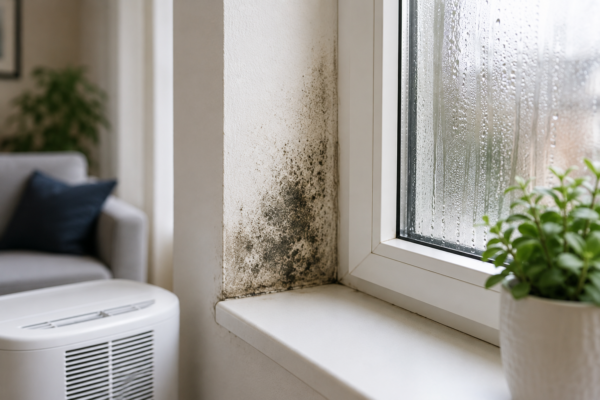
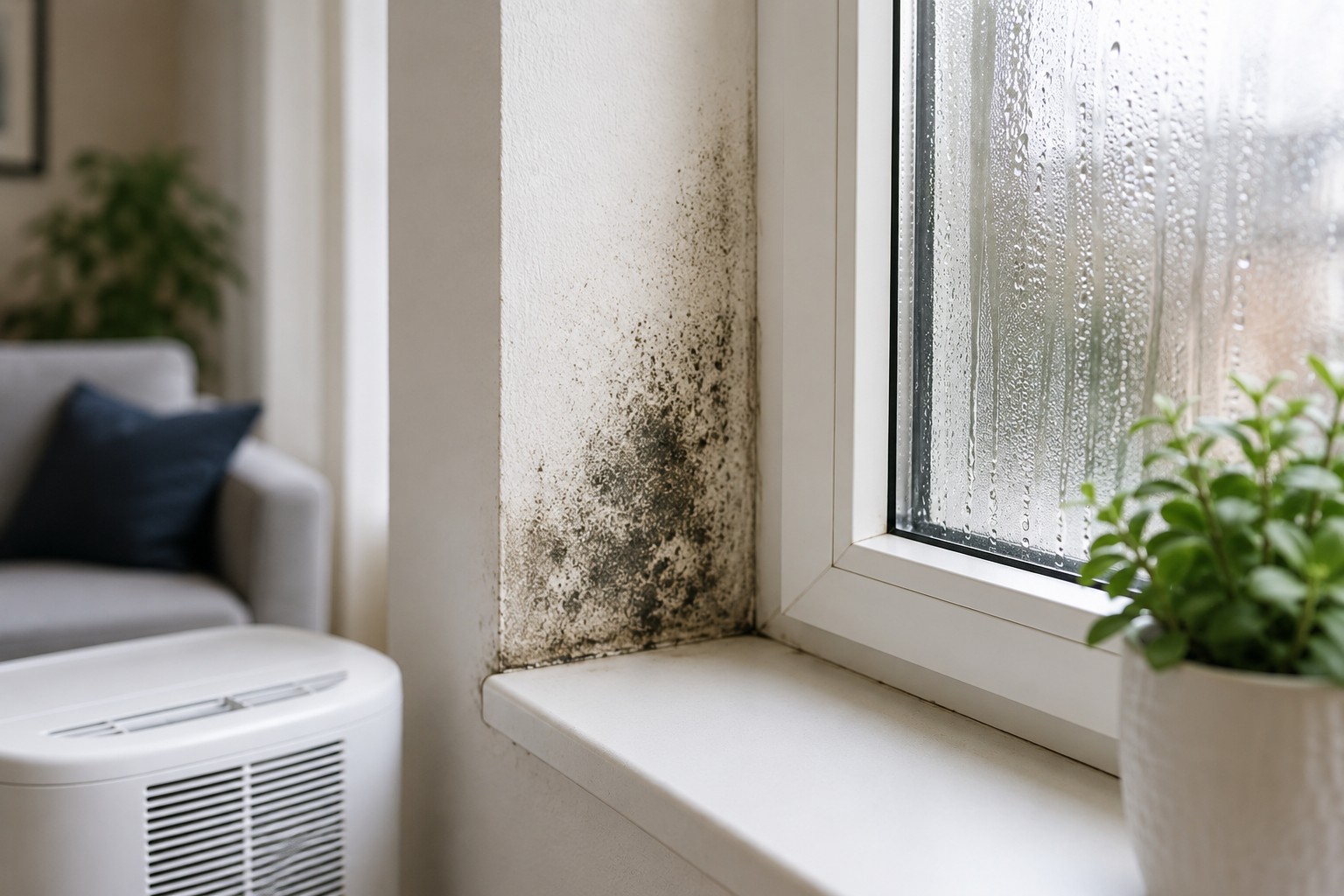
Condensation occurs when warm, moisture-laden air comes into contact with colder surfaces such as windows, walls or mirrors. This is the most common cause of mould growth in homes.
Mould develops when excess moisture remains on surfaces over time. It often appears as black, green or white patches and can spread quickly if conditions remain damp.
Damp can result from a variety of causes, including leaking pipes, damaged roofing, faulty guttering or rising moisture from the ground. Unlike condensation, damp often requires repairs to the building itself.
Common Causes of Condensation
Everyday activities can generate a surprising amount of moisture indoors. Common sources include:
- Cooking and boiling kettles
- Showering and bathing
- Drying clothes indoors
- Using tumble dryers without proper ventilation
- Breathing and general occupancy
When this moisture cannot escape, it accumulates in the air and eventually settles on cooler surfaces.
Tips for Tenants to Reduce Condensation
Ventilate the Property
Good airflow is essential. Tenants should:
- Open windows regularly, even during colder weather
- Use extractor fans in kitchens and bathrooms
- Keep trickle vents open where fitted
- Allow air to circulate behind furniture positioned against external walls
Manage Indoor Moisture
Reducing moisture production can make a significant difference. Consider:
- Keeping lids on pans while cooking
- Using extractor fans when showering
- Wiping down wet surfaces after use
- Drying clothes outdoors where possible or using a well-ventilated room
Maintain Consistent Heating
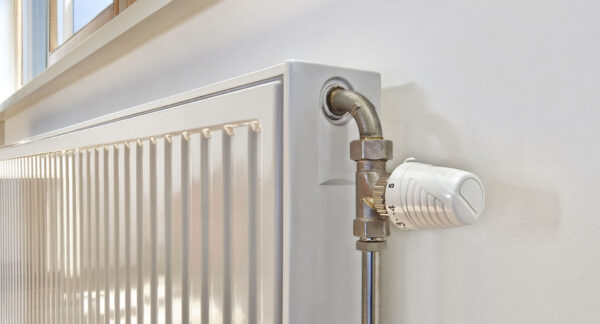
Keeping the property at a steady temperature can help prevent cold surfaces where condensation forms. Sudden fluctuations between very cold and very warm conditions can increase the risk of moisture build-up.
Avoid Blocking Ventilation
Air bricks, vents and extractor fans are installed for a reason. Blocking these features can restrict airflow and increase the likelihood of condensation and mould growth.
What Landlords Can Do
Landlords also play an important role in preventing damp and mould issues.
Regular property inspections can help identify problems before they become serious. Landlords should ensure:
- Roofs, gutters and downpipes are maintained
- Plumbing leaks are repaired promptly
- Ventilation systems are working correctly
- Insulation is adequate and up to current standards
- Any reports of damp or mould are investigated quickly
Addressing maintenance issues early can help protect both the property and tenant wellbeing.
Recognising the Signs
Early identification is key. Signs that should not be ignored include:
- Water droplets on windows
- Peeling wallpaper or paint
- Musty odours
- Black mould spots on walls or ceilings
- Damp patches that do not dry out
Tenants should report these issues to their landlord or managing agent as soon as possible so that the cause can be investigated.
Working Together to Keep Homes Healthy
Preventing damp, mould and condensation is a shared responsibility between landlords, letting agents and tenants. By maintaining good ventilation, managing moisture levels and addressing maintenance concerns promptly, rental properties can remain safe, comfortable and well maintained throughout the year.
If you are experiencing issues with damp, mould or condensation in your rental property, please contact our team. We are here to help identify the cause and provide guidance on the most effective solution.